The Architectural and Mechanical Necessity of Structural Gliding Tracks
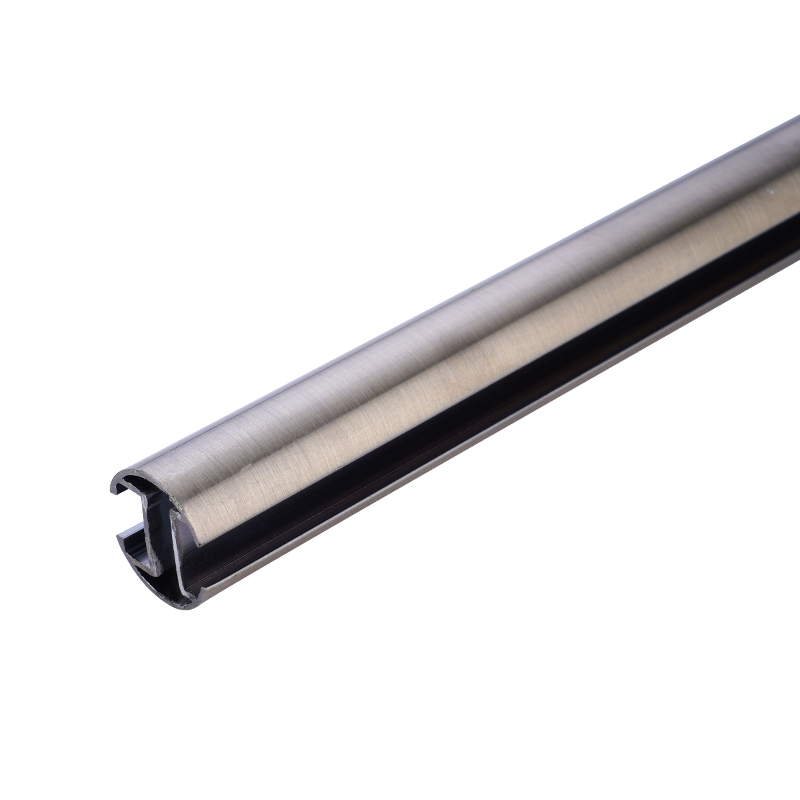
Integrating a precision-engineered curtain rail assembly provides commercial interiors, hospitality spaces, and residential architectures with a highly reliable, low-friction solution for managing heavy acoustic and thermal drapery arrays. By deploying ceiling-mounted or wall-anchored metal channels containing internal wheeled gliders, these track installations distribute heavy material weight evenly along the structural header plate. This functional design establishes a smooth, stable movement path that completely eliminates sagging, jamming, and manual tugging across spans exceeding 6 meters. This configuration ensures consistent pull-force reductions of up to 60% compared to traditional loose-ring pole setups, directly protecting delicate drapery headers and supporting substantial fabric loads of up to 50 kilograms per tracking channel.
In modern interior architecture, managing window dressings requires a careful balance between structural strength and clean visual lines. Heavy blackout drapes, multi-layer theater curtains, and floor-to-ceiling privacy shears apply continuous downward and lateral stress forces to their mounting hardware. Traditional curtain rods concentrate this load entirely on a few scattered bracket points, often causing drywall anchors to loosen or metal poles to bow over time. Transitioning to custom-extruded architectural track channels resolves these vulnerabilities by spreading the load along a continuous mounting line. This structural arrangement allows heavy fabrics to slide seamlessly through sharp 90-degree corners and deep window bays without snagging on bracket interfaces.
Extrusion Metallurgy and Internal Glider Tribology
The long-term performance and sound dampening of a tracking track depend heavily on the material selected for the main channel and the wheels inside the glider vehicles. Choosing the wrong combination can lead to metal grinding and noisy operation.
6063-T5 Architectural Aluminum Profiles
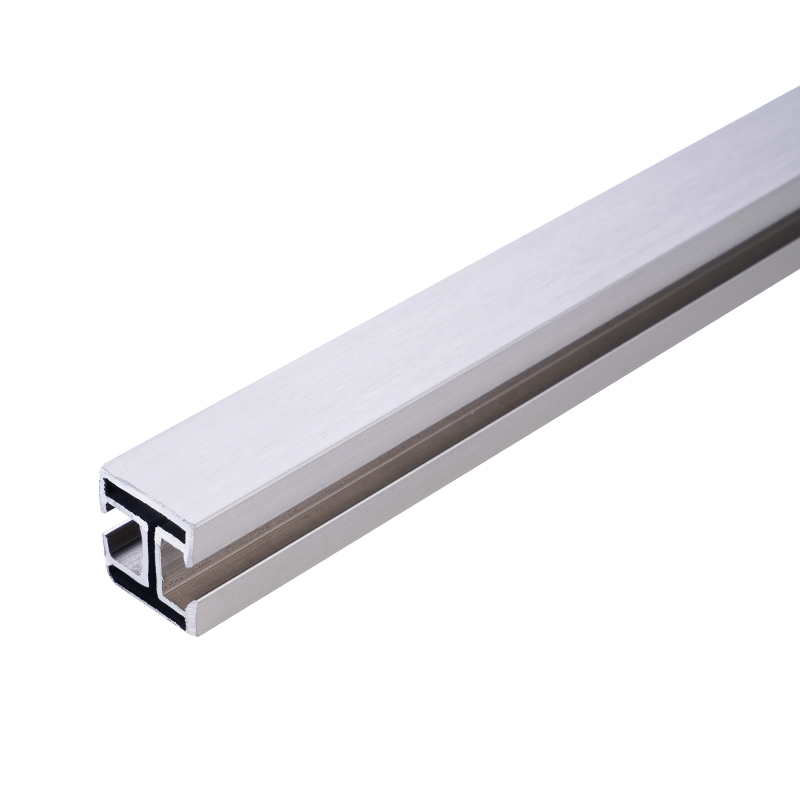
High-performance tracking arrays are extruded from 6063-T5 structural aluminum alloy. This metal compound undergoes a thermal precipitation hardening process that provides high structural rigidity and exceptional resistance to internal bending. The inside surfaces of the track are treated with a dry-film silicone or baked-enamel coating, keeping the internal channels clean and slick to minimize friction as the gliders move back and forth.
Polyoxymethylene (POM) Wheeled Glider Mechanics
To minimize rolling resistance and eliminate scraping noises, premium glider carriers are molded from Polyoxymethylene (POM), commonly known as engineering acetal. POM features high dimensional stability, low wear rates, and excellent self-lubricating properties. When heavy curtain folds pull down on the carriers, POM wheels absorb the structural load and roll smoothly over tiny particles without catching or flattening under continuous load stress.
Comparative Structural Analysis: Architectural Aluminum Rails vs. Traditional Curtain Rods
Selecting the correct drapery support infrastructure requires evaluating long-term load capacities against manual pulling resistance, cornering flexibility, and installation footprints. The comparative table below details the engineering differences between advanced tracking rails and legacy curtain rod configurations.
| Technical Quality Parameter | Architectural Extrusion Curtain Rail | Traditional Pole / Curtain Rod |
|---|---|---|
| Maximum Continuous Weight Capacity | High (Up to 25kg/m via Direct Ceiling Anchors) | Low (Max 7kg/m before Structural Sagging) |
| Uninterrupted Glide Path Distance | Infinite (Internal Gliders Bypass Brackets) | Restricted (Rings Blocked by Support Brackets) |
| Bay Window Cornering Versatility | Exceptional (Custom Cold-Bent Angle Profiles) | Poor (Requires Hinged Corner Joint Segments) |
| Automated Motorization Compatibility | Absolute (Integrated Drive Belt Channels) | None (Requires External Draw Cord Adaptations) |
| Aesthetic Minimalist Concealment | Seamless (Flush Ceiling-Slot Mounting) | Bulky (Visible Finials and Support Stems) |
The data comparison highlights a clear divide in structural utility. Traditional curtain rods work well for lightweight, decorative fabrics over narrow window frames where brackets can easily support the ends. However, for modern floor-to-ceiling glass installations, heavy insulation layers, or wide room dividers, structural tracks provide superior performance. By housing the rolling parts inside an enclosed channel, the gliders can pass directly through intermediate ceiling supports, allowing users to pull large drapes over broad expanses without hitting mechanical blocks.
Advanced Track Geometry and Heading Management Systems
Modern curtain rail tracking architectures incorporate specialized internal mechanics to control how fabrics fold and stack when pulled open.
- Integrated Ripple-Fold Cord Control: To maintain perfect, uniform S-wave folds along the entire drapery run, gliders are linked together inside the track channel with an internal braided cord. This fixed cord spaces the carriers evenly, keeping the fabric folds crisp and symmetrical whether open or closed.
- Heavy-Duty Master Overlap Arms: At the center draw point, specialized master carriers are configured with extended steel arms. These offset arms guide the fabric panels to cross over each other by 100mm, blocking light leaks at the center seam to ensure complete privacy in hotel rooms and bedrooms.
- Flush Recessed Ceiling Mount Flanges: Designed for modern plaster ceilings, these specialized rail extrusions feature side wings that integrate directly into the drywall framework. Once mudded over, the track profile is completely hidden, leaving an elegant, open slot for drapes to hang down seamlessly.
Step-by-Step Laser Alignment and Structural Installation Sequence
Because heavy curtains exert strong leverage forces during operation, installation teams use a careful measurement and mounting sequence to guarantee long-term stability.
- Laser Parting Line Projection: Set up a self-leveling cross-line laser level to project a straight reference line along the ceiling header plate. Measure out from the window glass plane (at least 100mm for single tracks, 200mm for dual tracks) to ensure fabric layers clear the trim work and handles.
- Locating Structural Ceiling Joists: Run an electronic stud finder along the laser line to locate wood or metal joists behind the plasterboard. Mark these support coordinates clearly; mounting heavy tracks to thin drywall using butterfly toggles alone can cause structural sagging over time.
- Pre-Drilling and Track Fastening: Drilled mounting holes into the top wall of the aluminum extrusion spaced 300mm to 450mm apart. Lift the rail into place along the laser guide and drive high-tensile structural screws directly into the framing joists.
- Glider Loading and End-Stop Anchoring: Feed the calculated number of POM wheeled carriers into the open ends of the track channels. Secure heavy-duty metal end caps equipped with rubber bump-stops to seal the channel ends and anchor the outer edges of the curtain panels.
- Kinetic Friction Verification: Attach a temporary weighted fabric panel to the master carrier. Slide the panel back and forth through the entire length of the rail, checking for any binding, alignment errors, or rattling noises before attaching the final drapery panels.
Mitigating Operational Deflection Profiles and Structural Creep
While commercial-grade aluminum tracking systems are engineered for minimal maintenance, regular use can cause wear if tracking forces and structural loads are not balanced properly.
Preventing Mechanical Track Flaring Deflection
Track flaring happens when operators pull downward violently on curtains to open or close them, twisting the lower track slot outward. Over time, this stress expands the bottom channel gap, causing internal glider rollers to wobble or slip out entirely. To prevent this deformation, mount the primary track channel using countersunk structural steel washers that support the full upper width of the extrusion, keeping the tracking profile true under heavy vertical tugging.
Controlling Particulate Carbon Sludge Drag
In high-traffic commercial spaces or rooms with open windows, airborne dust, cooking oils, and lint can collect inside the lower track channel, creating a dark, sticky buildup. This debris forces the POM wheels to drag rather than roll smoothly, which increases pull resistance and strains motor systems. Maintenance crews should avoid spraying wet aerosol lubricants inside the track, as these attract dust; instead, clean the channels using a dry microfiber cloth and treat the internal tracks with a premium dry PTFE spray coating to keep the path clean and slick.